SCADA System
Understanding the Modern SCADA System: Efficiency, Connectivity, and Control
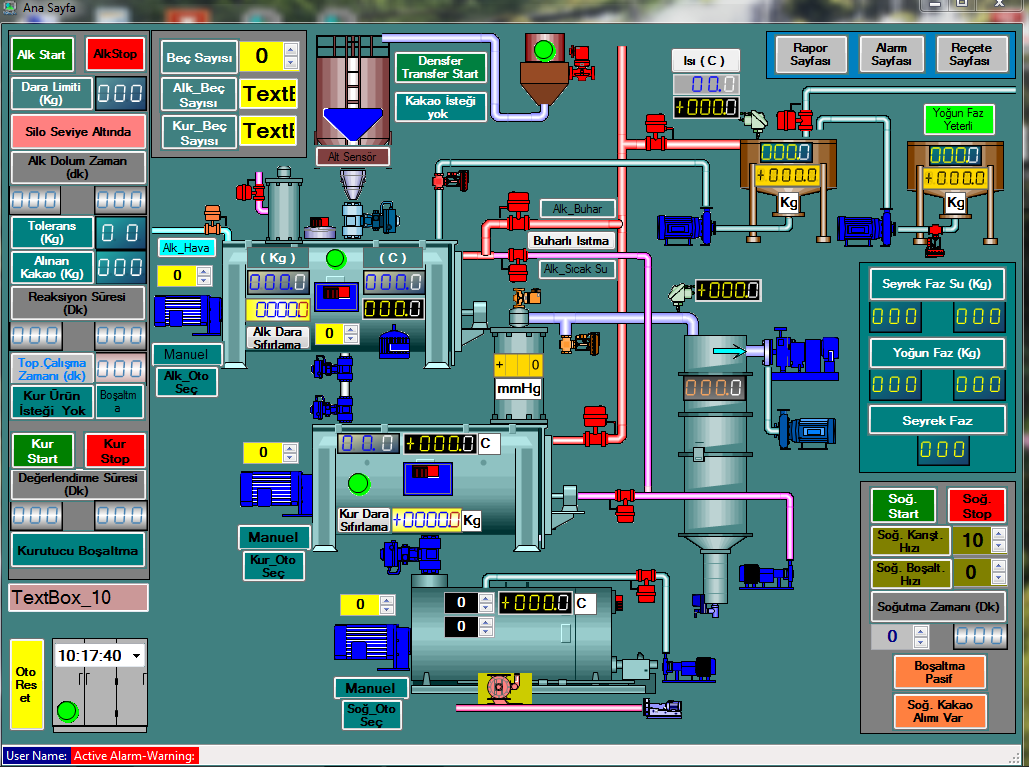
A SCADA system (Supervisory Control and Data Acquisition) is the heart of any modern industrial operation. It is the high-level software framework that allows operators to monitor processes, gather real-time data, and interact with hardware such as PLCs (Programmable Logic Controllers) and sensors.
However, as we move through 2026, the definition of a “standard” SCADA system is shifting toward more open, secure, and lightweight architectures.
The Core Components of a SCADA System
To understand how a SCADA system functions, it’s best to look at its four primary layers:
- Field Instrumentation: The physical sensors and actuators (valves, motors, meters) on the factory floor.
- Control Level (The “Eyes”): PLCs and RTUs that communicate directly with the field devices.
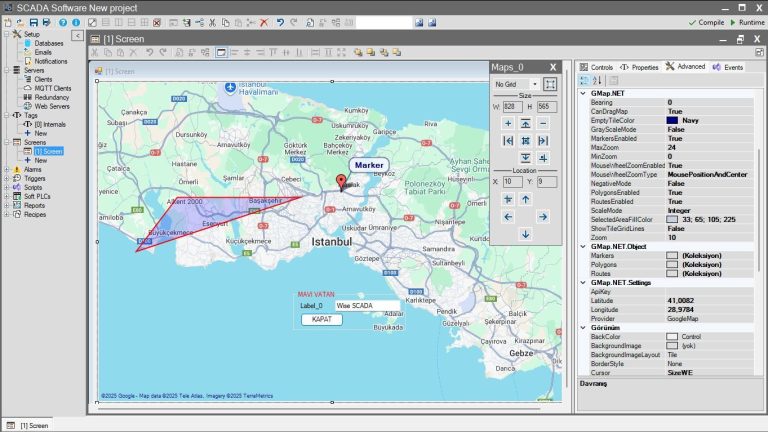
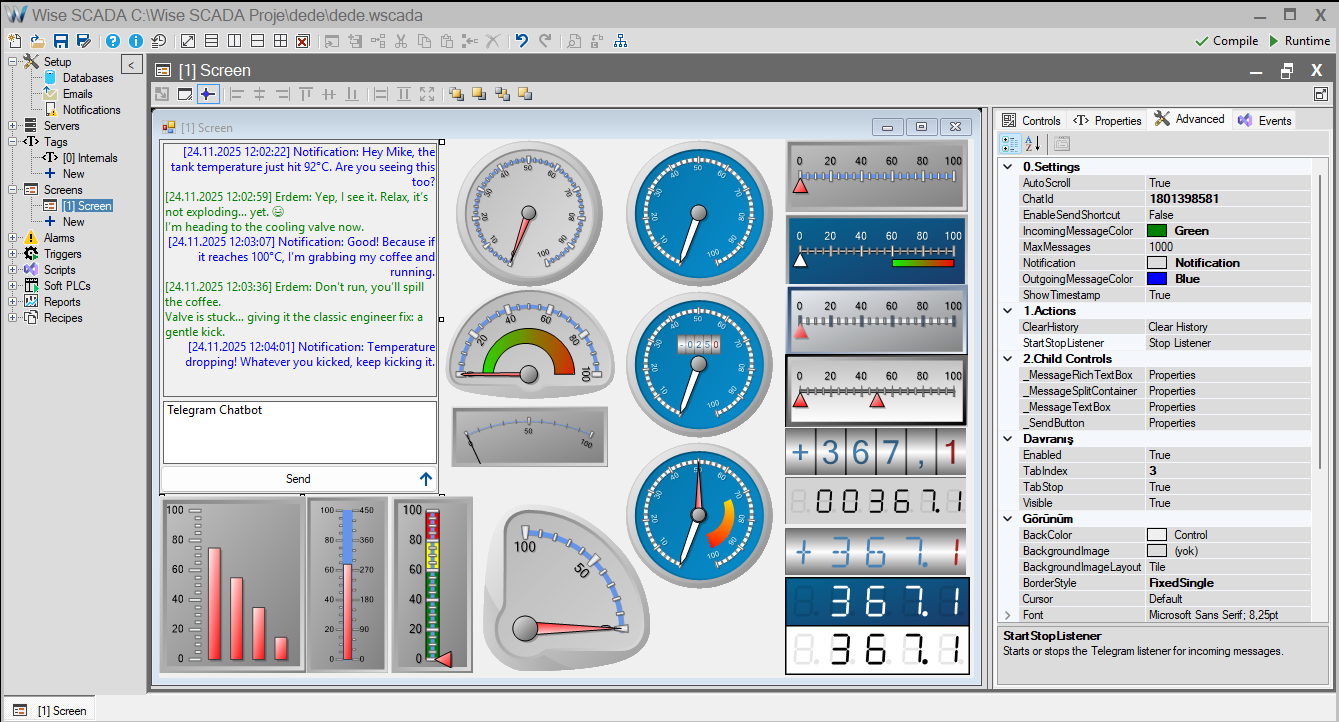
- The SCADA Software (The “Brain”): This is where the data is processed, visualized, and stored. Systems like Wise SCADA act as this central brain, providing the interface for human decision-making.
- Communication Network: The “nervous system” that uses protocols like Modbus, Profinet, or MQTT to move data between the layers.
What Makes a SCADA System “Modern”?
Old-school SCADA systems were often isolated and heavy. Today, a competitive SCADA system must deliver more than just basic monitoring:
- Ultra-Fast Performance: A modern system should handle millions of data points (tags) with minimal CPU usage. This “lean and mean” approach ensures that the software never becomes a bottleneck for production.
- Web & Mobile Accessibility: Operators no longer stay tied to a single control room. Integrated Web Servers allow for secure monitoring from any browser or mobile device via HTML5.
- IIoT Integration (MQTT): Modern systems use MQTT to bridge the gap between the factory floor and the cloud, allowing for multi-broker communication and global data synchronization.
- High Availability (Redundancy): In critical infrastructure, downtime is not an option. A robust SCADA system utilizes Primary-Backup synchronization to ensure that if one server fails, another takes over instantly without data loss.
SCADA in the Era of Zero-Trust Security
With the rise of industrial cyber-attacks, a SCADA system must be built on secure foundations. This includes Code Signing for all software components and support for modern Windows security protocols to ensure that only verified, untampered code runs in your facility.
Why Choosing the Right System Matters
A SCADA system is a long-term investment. Choosing a platform that offers Lifetime Licensing and Perpetual Ownership ensures that your operational costs remain flat while your capabilities grow.
Whether you are managing a municipal water treatment plant or a high-speed automotive assembly line, your SCADA system should be fast, flexible, and future-proof.
Explore Modern SCADA Solutions
If you are looking to deploy or upgrade your system, discover the capabilities of a modern, high-performance framework: